


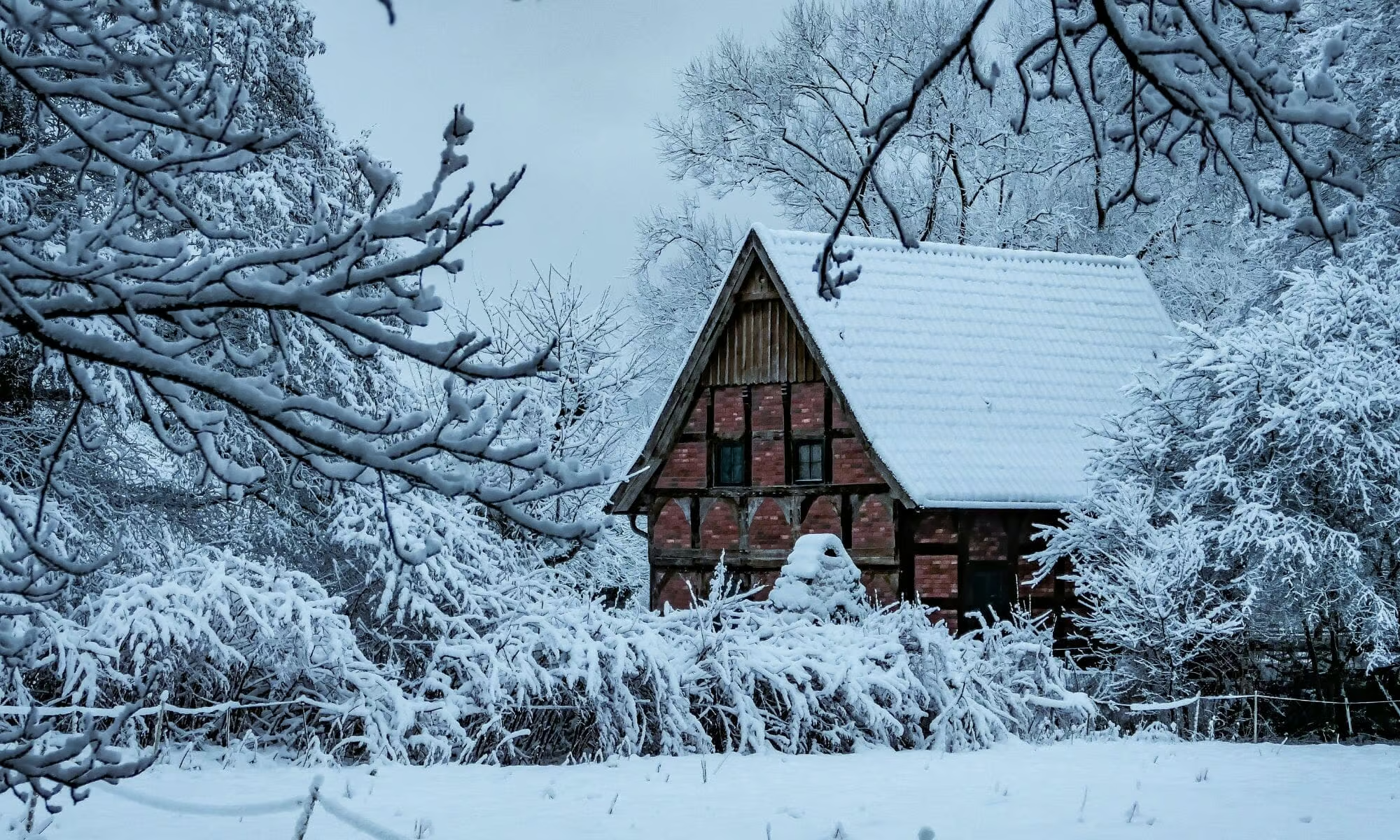
Everyone has different feelings about these frosty Canadian winters. Some people look forward to it and wish it would last all year long. Others would prefer to hightail it out of here and spend the entire season basking in the sun on a beach.
One thing is for certain, however. There’s no getting around the fact that the snow and cold can be hard on your home. Taking special care of your property now will protect your investment and maintain its value. Should you ever decide to sell, your home or cottage will stand out in a way that other listings just can’t compare.
In this post, we’ll give you a simple winter preparation checklist for your home and your cottage to help you make it through to spring unscathed.
Searching for a new place to call home, with gorgeous surroundings, a supportive community, and a ton of fun activities to enjoy all year long? Here’s Everything You Need to Know About Living in Peterborough!
Winterizing a House
Ideally, winterizing your home starts early, well before the temperatures plunge and the snow starts to fly. A house you live in full-time is a little easier to manage because you can catch any issues as soon as they arise. The question is when to start. At minus 10 degrees, it might be a little too late to start Googling “how to drain pipes for winter.”
Outdoor maintenance tasks should also be a point of focus before the ice and snow arrive. For example:
- Patch up the brickwork or paint the front door before there’s a significant risk of frostbite.
- Remove leaves so they don’t pile up and freeze in your eavestroughs.
- Mow the lawn one last time to prevent fungal diseases, such as snow mould.
- Add a layer of mulch to your garden to protect plants from extreme cold.
- Check that your snow blower works and make sure you have salt before the first winter storm.
When temperatures are forecast in the minuses, turn off any exterior water faucets so they don’t get clogged with ice, or worse, the pipes burst. It’s important to first turn off the interior tap, then open the outdoor faucet fully. This allows excess water to drain so it doesn’t freeze inside the pipe.
Thinking of a home-away-from-home in Kawartha Lakes? The posts below might give you some inspiration:
- Where Are the Most Luxurious Homes in Kawartha Lakes?
- Dining in the Kawarthas: A Sneak Peek at the Best Restaurants
- Think the Kawarthas Are Just for Summer Vacations? Think Again!
Saving Energy and Staying Comfortable
Some winterization tasks are less dire, but still essential to maintain your comfort. Winter is a lot more enjoyable when you have a nice, warm, well-insulated home to return to.
It may seem inconceivable to worry about whether your furnace is working when the air conditioner is still running. However, you want to find out if your HVAC needs repairs or a replacement before everyone in the home needs their winter jacket to watch TV!
Arranging for a roof inspection is high on the agenda. While no one wants to be that much closer to the sun when it’s hot outside, taking care of any loose shingles before winter’s chill arrives is ideal.
Fortunately, there are a few minor tweaks you can make to ensure your home is warm and cozy all winter long. A little caulking or even a plastic film can reduce or eliminate drafts.
Many people also don’t realize there’s a setting on ceiling fans to reverse their direction.
- In the summer, the blades should spin counterclockwise to create a refreshing breeze.
- In the winter, switching the direction (clockwise) pulls warm air up.
This simple tweak can take the edge off, all while saving you a little money on energy costs. It sounds like a nice win-win to us!
When is the best time to get ahead of the market when there’s a move coming up? Check out Planning to Sell Your House? Start Preparing Now.
Protecting a Vacant Home or Four-Season Cottage
Leaving a house unoccupied for the winter requires an elevated level of care. The key distinction is comfort versus maintenance. Since no one is going to be there on a regular basis, you generally don’t have to worry about maintaining a comfortable temperature.
That said, it’s still not a good idea to leave a house unheated in the winter, at least not entirely. The thermostat should be set to a minimum of 13 degrees (55 Fahrenheit) so your pipes don’t freeze.
Even though no one is home, it’s also a good idea to leave the fridge running. If you power it off completely, the interior moisture has nowhere to go, and can become a breeding ground for mould. That’s not exactly what you want to come back to when vacation season returns! Keeping the fridge running can actually be better for its longevity as it will keep circulating and the refrigerant won’t settle.
Turn off all pipes
In a vacant home, you can also shut off the main water valve, not just the exterior tap. If a pipe bursts anywhere, you won’t have to worry about a flood next time you open the door. Again, be sure all faucets are on so they don’t build up pressure.
Watch out for pests
Vacant homes can be inviting to unwanted guests, both of the animal and human variety. To keep away two-legged intruders, you can set the lights to come on at random times. For other pests, be sure that you clean thoroughly and don’t leave scraps of food behind as a temptation.
Looking for more tips to get your house or cottage show-worthy before selling? The posts below can help:
- Should You Renovate or Sell Your House As-Is?
- How to Sell a House Fast
- Why Should You Stage Before Selling Your Home in Peterborough?
Winterizing a Cottage
A three-season cottage or vacation home that consists of wood panelling, pine, or plywood rather than drywall comes with a different set of rules. For the highest level of cost savings and protection, you can shut everything down completely.
Wood can handle the deep freeze since it doesn’t trap moisture and is more flexible than drywall. Plumbing in seasonal cottages also tends to be gravity-fed, so you can get 100% of the water out, so you don’t need to worry about pipes freezing. Thus, there is no need to pay for even a small amount of heat to protect them.
Unlike with a vacant house, you want to turn off the fridge completely. Since the heat is not running, the inside temperature can drop well below freezing, and the unit will not be able to run anyway.
To eliminate the potential mould issue, just be sure to completely empty all contents and prop the door open so moisture doesn’t build up. Then, you can simply unplug it and walk away.
Lastly, a fully shut-down cottage can be even more of an oasis for mice and other pests. You’d be surprised at just how little space they need to get inside and make themselves at home. To avoid this, wrap steel wool around pipes and vents so they can’t chew their way through. Take home all food that isn’t sealed in a glass jar.
In addition, remember that you aren’t the only one who loves to curl up in a warm blanket. During the winter, mice are also looking for cozy nests, and your linens, towels, and clothing are perfect! Unless you’re happy to share, either take them home or seal them up.
A few other tips before leaving your home or cottage for the winter include double-checking the sump pump and shutting off the hot water tank if you are closing down completely. (An empty tank could be a fire hazard!) Lastly, it might not be a bad idea to pour some non-toxic antifreeze into your toilet bowls and sink drains.
Proper winterization takes time and effort, but it is well worth it. You’ll save money on maintenance over the long run. In addition, these steps will help you return to a vacation oasis that is dry and comfortable, just in time for the warmer weather!
Whether buying or selling a property, our Peterborough real estate agents are committed to helping every step of the way. Reach out to team@jeffandkatie.ca or call 705-243-9797 to start the conversation.

Let Us Guide Your Journey
Need help buying or selling in Peterborough or the surrounding area? We’re ready to help.